
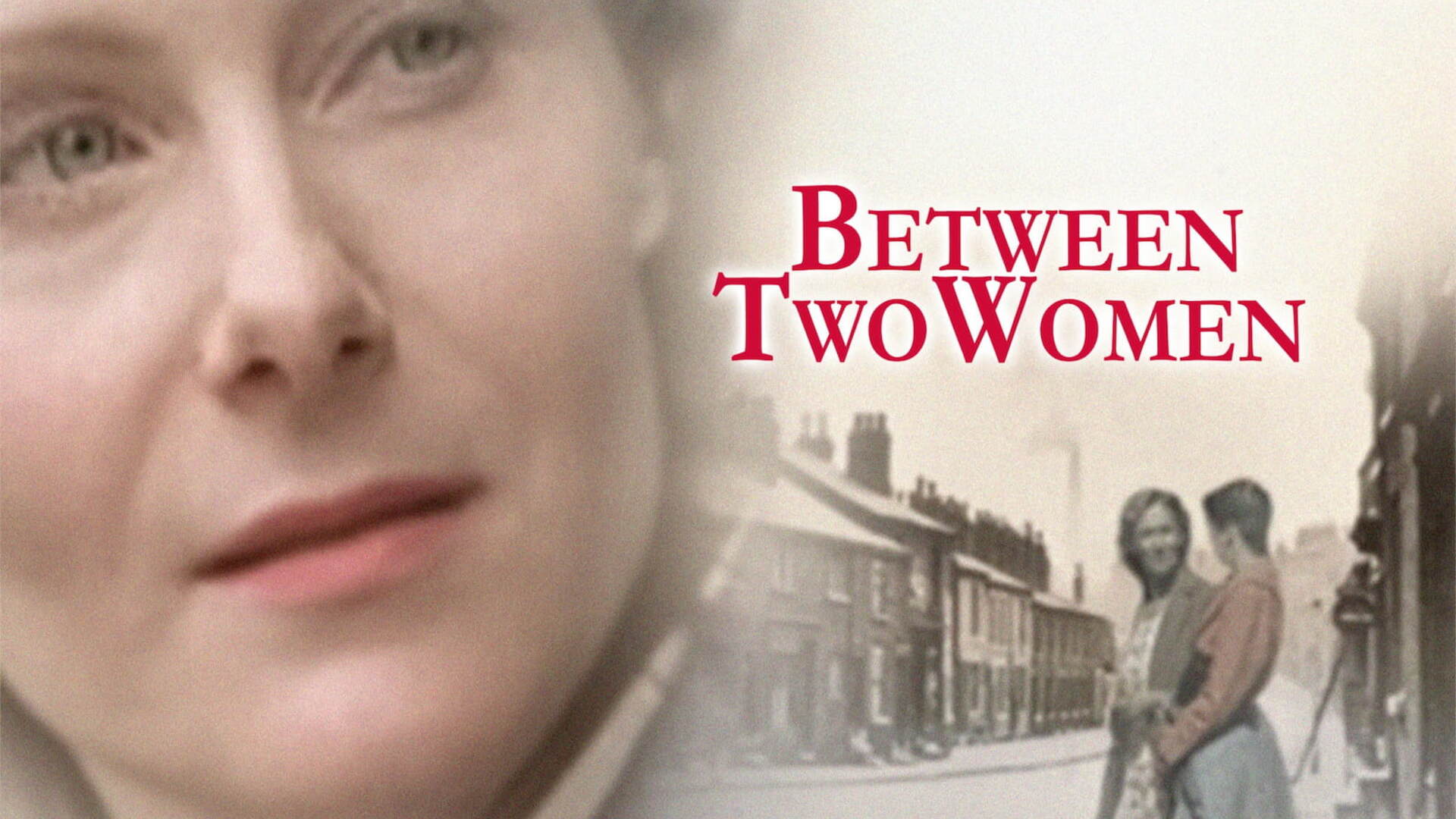
In a 1957 Yorkshire mill town, a factory worker's wife and her son's teacher fall in love, with everything the year makes that cost.
Do not be misled by the tact of the older summaries. This is a love story between two women, and the film knows it long before its characters can say it. The year is 1957 and the place a West Riding mill town, where the mill sets the hours and the street knows everybody's business. Both of those facts matter. Sex between men was a criminal offence, and the Wolfenden committee had just recommended, to general outrage, that it should not be. Women were not criminalised at all, which meant instead that they were not thought about. A mother in an unhappy marriage who wanted to leave with someone else had no protection worth the name, and a very great deal to lose in the form of her son.
Set in a 1957 Yorkshire mill town, the film follows Ellen Hardy, a woman trapped in a stifling marriage yet devoted to her young son.
When Victor begins at a new school, Ellen forms an unexpected bond with his teacher, Kathy Thompson, who recognises and nurtures the boy's artistic talent.
The route in is the child's drawing. Kathy thinks Victor has real ability and gets his work into an exhibition of West Riding artists at the town hall, which his father can only see as a fuss over scribble that dirties your hands. After that come the picnics and the lift home and the first name, and the slow discovery that Ellen has never in her life had a conversation with someone who thinks about things. Her husband's first objection has nothing to do with another woman. He minds that his wife has been talking to somebody educated.
As their friendship deepens, Ellen confronts emotional needs long suppressed, finding rare warmth and understanding amid the pressures of class, duty, and domestic strain.
Very little of it is ever declared out loud. The important information travels through what people fill the kettle for, and who offers a lift, and who is invited in while somebody else is left on the step. The two of them work out what has happened to them during a thunderstorm, on separate holidays, and say so afterwards in a kitchen, badly. It ends on a railway platform with a question from a child, and the answer is not spelled out.
An hour and twenty-two minutes, written and directed by Steven Woodcock.