
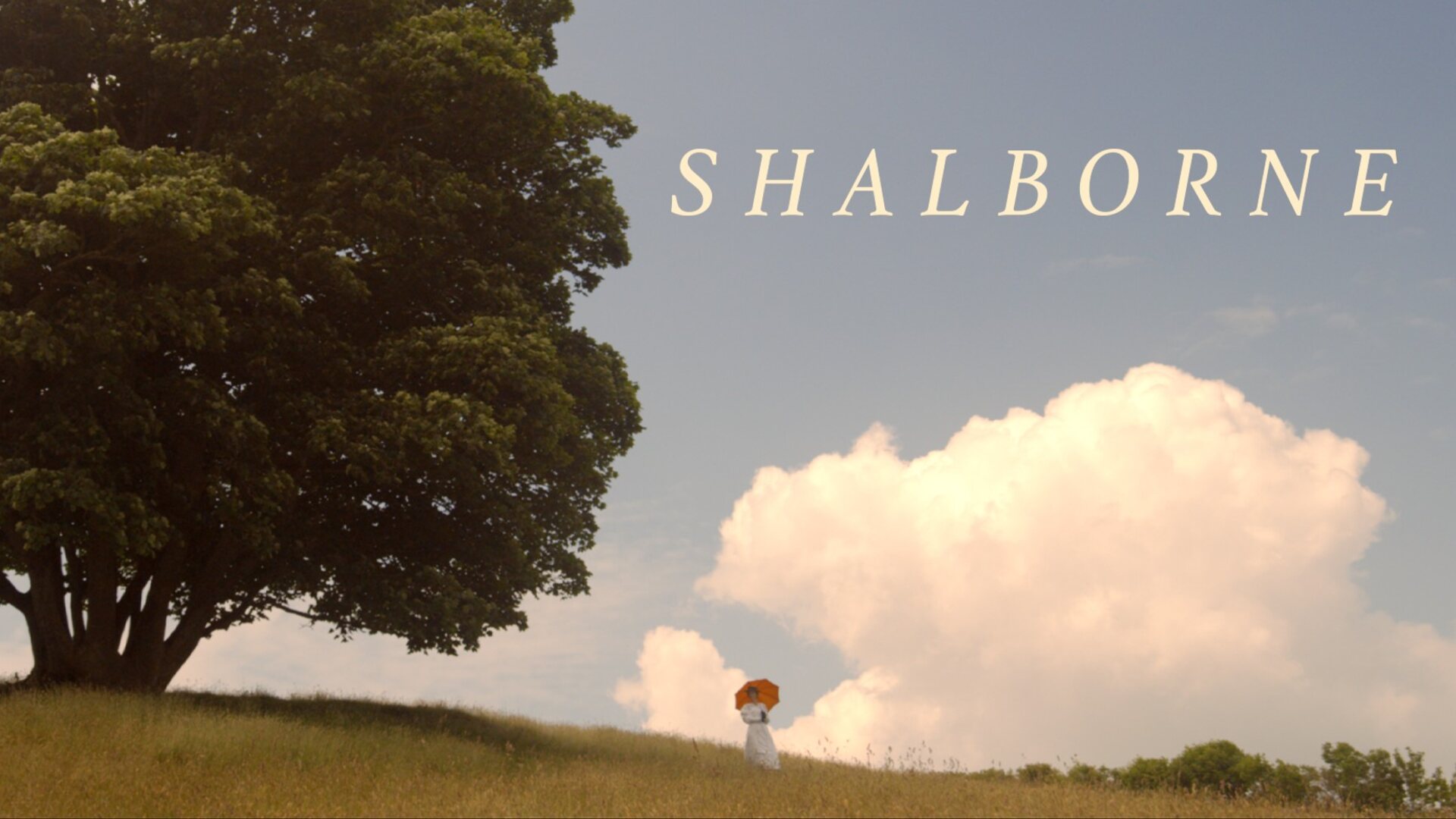
England 1905. A letter from Tzar Nicholas triggers a woman's courageous rebellion.
On a Sunday in January 1905, a peaceful crowd walked to the Winter Palace in St Petersburg to hand the Tsar a petition. They carried icons and portraits of him. The troops fired, and the day went into history as Bloody Sunday, the moment at which a great many Russians stopped believing that the Tsar simply did not know. Shalborne begins with news of it arriving at an English country house, in a private letter, in a hand that signs itself as a friend.
England 1905. A letter from Tzar Nicholas recounts the Bloody Sunday Massacre in Saint Petersburg and becomes the catalyst for a woman's courageous rebellion against her husband and the patriarchy of her time.
Set in rural Devon, a cruel and lonely marriage to Lord Bartlett becomes too much for Helen to bear. Leaving her husband's ancestral home she treks across Dartmoor pushing her sick and ageing Father on a cart.
The letter is the film's engine twice over. For Helen it is proof that the world she came from is being shot at in the street, and it gives her the nerve to go. For her husband it is an instruction and an opportunity: rally British money behind the Russian monarchy, and take his own cut of the arrangement. What she carries out of the house in her pocket is evidence rather than a keepsake. A private British subject soliciting funds for a foreign war at a foreign sovereign's request is a matter the Foreign Office would much rather leave to the King.
Everything Helen does next is constrained by law rather than by nerve, and the film is precise about it. A wife who left in 1905 had no automatic claim on the house, the income or the servants who had just watched her go. A divorce required her to prove adultery and an aggravating cause on top of it, and cost more than she had. So the escape is physical and undignified: a cart across Dartmoor, a borrowed bathing house on the coast, an attempt to hire a boatman at the port to row two people out to a waiting ship. Every person who helps her is risking something concrete.
Helen finds that courage may not be enough to challenge Victorian ideology and the patriarchal ideals of her time.
An hour and twenty-five minutes, written, produced and directed by Caroline Corrie, with an original score by Tom Norris. Caroline Corrie talks about making it in Yoreflix Stories, in this catalogue.